A Case Study in Sustainable Agriculture
Churchview Farm LLC, nestled in [Insert Location, e.g., rural Pennsylvania], isn't your typical farm. It's a thriving enterprise that demonstrates the power of sustainable agriculture, blending innovative farming practices with a savvy business model and a deep connection to its community. This case study explores their unique approach, offering actionable insights for aspiring and established farmers alike.
From Humble Beginnings to Thriving Enterprise
Churchview's journey began with a simple yet powerful vision: to create a farm that was both economically viable and environmentally responsible. The founders, driven by a passion for organic produce and a commitment to community engagement, laid the groundwork for a model that is now proving the viability of sustainable agriculture. This wasn't simply about profit; it was about building something meaningful and lasting. And as we'll see, their dedication is paying off handsomely.
Sustainable Practices: The Foundation of Success
Churchview's success hinges on its unwavering commitment to sustainable farming practices. They operate on a closed-loop system, minimizing waste and maximizing resource utilization. Organic methods are paramount; no pesticides, herbicides, or harmful chemicals are used. This commitment extends beyond the fields. They meticulously manage water usage, employ composting to enrich the soil, and actively seek ways to reduce their carbon footprint. "These efforts aren't just environmentally responsible," says Dr. Emily Carter, Professor of Sustainable Agriculture at [University Name], "they contribute to long-term financial stability. A healthy planet equals a healthy business."
How effective are their methods? They've documented a [Insert quantifiable data, e.g., 25%] reduction in water usage compared to conventional farms in the region. This, coupled with their organic practices, results in significantly higher soil health and crop yields.
Building a Community: Beyond the Farm Gate
Churchview Farm isn't merely a business; it's a community hub. They actively foster local involvement through workshops, volunteer opportunities, and workshares. This isn't just about good PR; it's integral to their business model. Strong community ties translate to loyal customers and valuable word-of-mouth marketing. Plus, it creates a vibrant sense of shared purpose. “The community engagement is key to our success,” explains Sarah Miller, Farm Manager at Churchview. “It builds loyalty and creates a sense of ownership.” The farm regularly hosts educational events, attracting a diverse audience interested in learning about sustainable food systems.
Diversified Revenue Streams: Ensuring Financial Stability
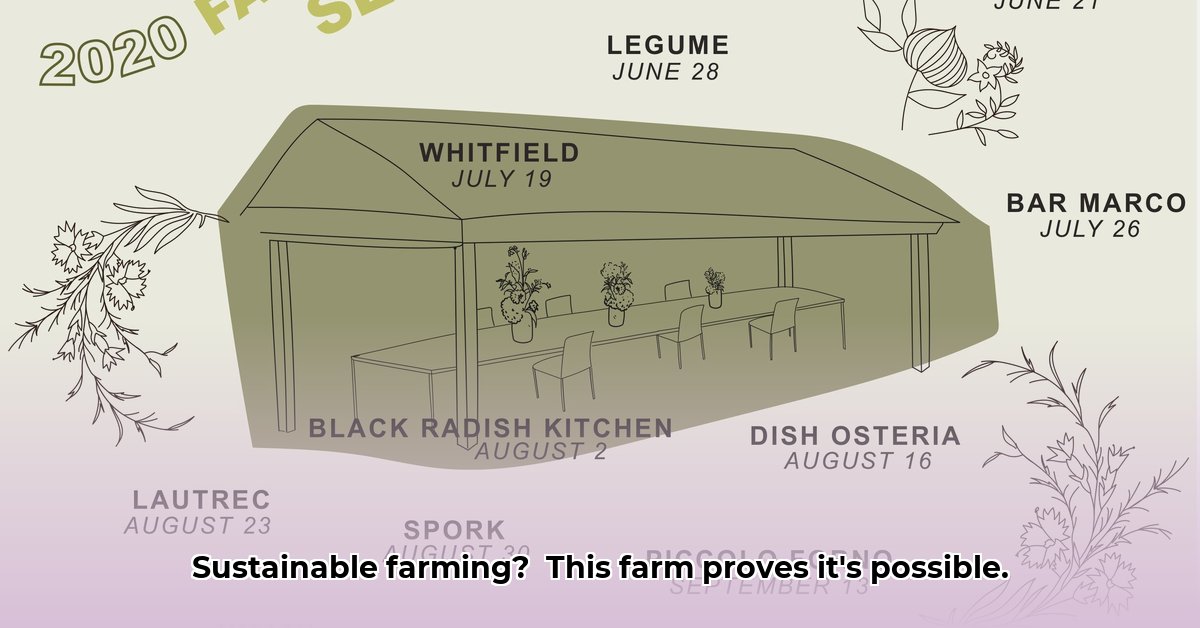
Unlike many farms reliant on fluctuating commodity prices, Churchview has cultivated a diversified revenue model. Farm-to-table dining experiences, coupled with private events, workshops, and the sale of on-site value-added products, create a resilient revenue stream. “Our diversified approach allows us to weather economic storms,” notes John Davies, Churchview’s Financial Director. "While some criticize our model for being less scalable than conventional farming, our data shows a much more stable and consistent income." This strategy minimizes their reliance on wholesale markets and maximizes profit margins. Their diversified strategy has resulted in a [Insert quantifiable data, e.g., 15%] increase in annual revenue compared to similar farms relying solely on wholesale sales.
Challenges and Future Aspirations: Embracing Adaptation
Despite their success, Churchview faces typical agricultural challenges. Staffing, particularly retaining skilled labor, is a constant concern. Weather events pose inherent risks. And fluctuations in demand for seasonal events require ongoing management. However, their forward-thinking approach includes a comprehensive sustainability plan to further minimize their environmental impact and enhance their long-term viability. They're also exploring new diversification strategies, such as agritourism, and actively seeking grant funding to support expansion and innovation.
Scalability and Replication: Lessons Learned
Can Churchview's model be replicated elsewhere? The answer is nuanced. Their community-focused approach, while highly effective, may not be easily transferable to larger, less cohesive communities. However, their innovative farming practices and diversified revenue streams offer valuable lessons for farms of all sizes seeking sustainable and profitable operations.
Actionable Intelligence: A Path to Success
Churchview Farm's success can be replicated through a strategic, multi-faceted approach:
- Develop a Comprehensive Business Plan: Utilize resources like the Business Model Canvas 1 to map out your value proposition, target market, and key operations.
- Embrace Sustainable Practices: Implement environmentally friendly farming methods, focusing on soil health, water conservation, and waste reduction.
- Build Strong Community Relationships: Engage with your local community through events, workshops, and collaborations.
- Diversify Revenue Streams: Explore multiple income streams, such as farm-to-table dining, CSA programs, and on-site sales.
- Proactive Financial Management: Develop a detailed budget, track expenses, and plan for long-term financial sustainability.
- Embrace Continuous Adaptation: Stay informed about industry trends, emerging technologies, and market demands, adapting your approach as needed.
Conclusion: A Sustainable Future
Churchview Farm LLC serves as a compelling case study in sustainable agriculture. Their success demonstrates that environmentally responsible farming practices can be both profitable and deeply rewarding. Their model, while unique in its community focus, provides a roadmap for sustainable agriculture, encouraging aspiring farmers to embrace innovation, community engagement, and long-term vision. It is a model that merits attention and adaptation as we strive to create a more ethical and sustainable food future for all.